Understanding the Benefits of Mindful Travel
Mindful travel is more than just a trend; it represents a profound shift in how we approach our journeys. By embracing a slower pace, travelers can enhance their experiences and foster a deeper connection with the places they visit.
What is Mindful Travel?
Mindful travel emphasizes being present and fully engaged with one's surroundings. According to experts in the field of psychology, this approach often helps reduce stress and promotes mental well-being. By focusing on the moment, travelers can appreciate the beauty and culture of their destinations more fully.
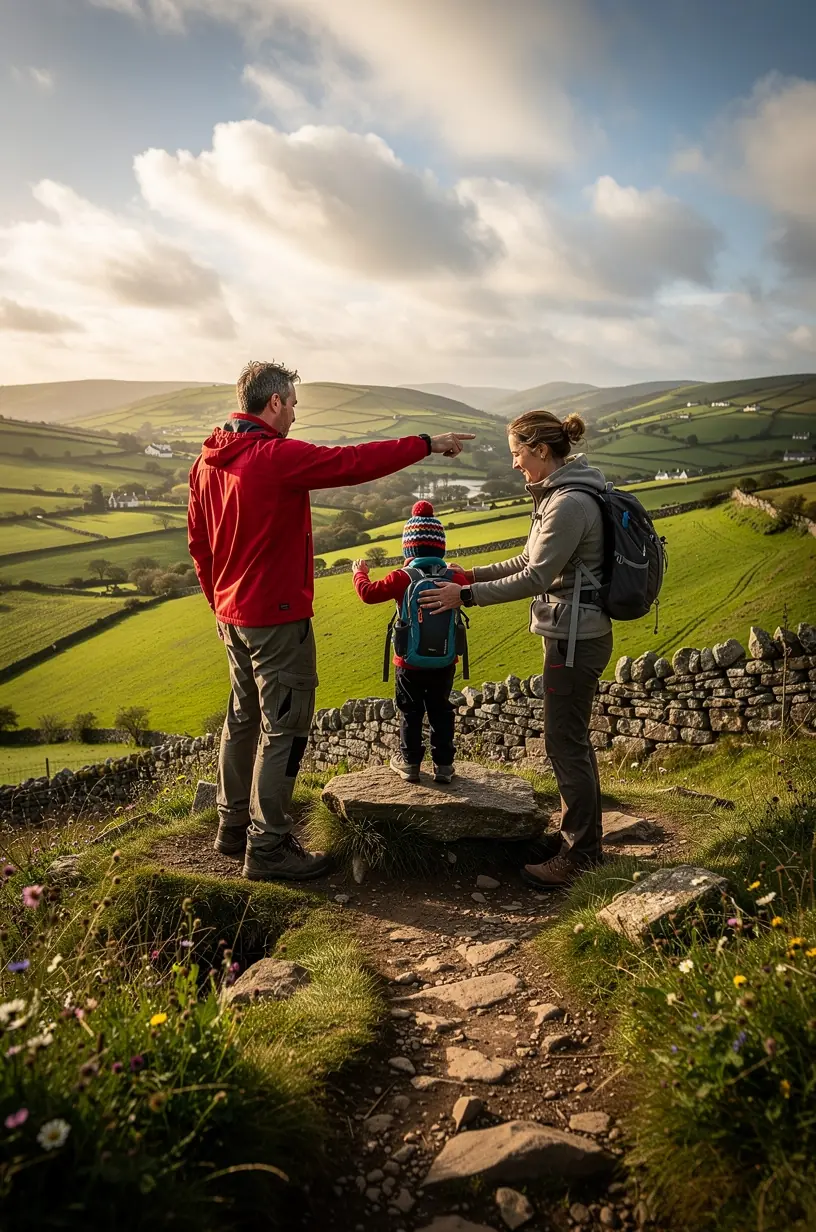
"Mindful travel encourages individuals to connect with the local environment and community, fostering a deeper appreciation for the journey." - Travel Psychology Research Journal
Benefits of Mindful Travel
- Enhanced Connection: Many users report feeling a stronger bond with the places they visit when they engage mindfully. This can lead to more meaningful interactions with locals and a greater understanding of cultural contexts.
- Improved Mental Well-being: Studies show that mindful practices, including travel, can significantly reduce anxiety levels. Incorporating mindfulness into your travel routine can help you cope better with the stressors that often arise during trips.
- Environmental Consciousness: Mindful travelers tend to make more eco-friendly choices. Research indicates that awareness of one's impact on the environment often leads to sustainable practices, such as supporting local businesses and reducing waste.
How to Practice Mindful Travel
Implementing mindfulness into your travel routine doesn't require much effort but does involve an intentional mindset. Here are some effective strategies:
- Plan Unhurried Itineraries: Allow time for spontaneous exploration instead of cramming activities into every hour. This typically leads to a more enriching experience.
- Engage with the Local Community: Participate in local traditions or events. This often requires curiosity and openness to new experiences, which can greatly enhance your understanding of the culture.
- Limit Digital Distractions: Reducing screen time during travel can help you immerse yourself in your surroundings. Many travelers find that this simple adjustment significantly improves their overall experience.
Challenges of Mindful Travel
While mindful travel offers numerous benefits, it’s essential to acknowledge some challenges. For many, adopting a slower pace may take time and dedication. It can be difficult to shift from a fast-paced travel approach to a more intentional one.
Additionally, in some popular tourist destinations, it might require extra effort to find opportunities for genuine engagement with local cultures, especially in heavily commercialized areas. This approach typically works best when you choose less touristy paths and prioritize local experiences.
Conclusion
Mindful travel is an effective way to enrich your journeys and create lasting memories. By slowing down and being present, you can enhance your connection with people, cultures, and environments. Embracing this approach may require practice, but the rewards—richer experiences and improved mental well-being—can be significant. So next time you plan a trip, consider how you can integrate mindfulness into your travel routine for a more fulfilling adventure.